





Why Nighttime Is When Skin Does the Real Work
If your skincare routine feels thoughtful but the results are subtle, the missing piece may not be what you’re using — but when you’re using it.
While daytime skincare is focused on protection, nighttime is when skin switches into repair mode. This natural rhythm plays a crucial role in how skin regenerates, firms, and maintains elasticity over time. Understanding what happens overnight — and how to support it — can make a visible difference to the way skin looks and feels.
In this guide, we explore why nighttime is so important for skin health, what actually happens while you sleep, and how to make the most of your evening routine.
What Happens to Your Skin Overnight?
Skin follows a circadian rhythm — an internal clock that governs biological processes over a 24-hour cycle. Just like your body, your skin behaves differently during the day and at night.
During daylight hours, skin is primarily in defensive mode, protecting itself from:
- UV exposure
- Pollution and environmental stress
- Dehydration
At night, once those stressors are removed, skin shifts into repair mode.
Overnight, skin:
- Increases cell turnover
- Repairs the skin barrier
- Produces collagen and elastin more efficiently
- Becomes more receptive to active ingredients
This is why nighttime is when the skin does its most important restorative work.
Why Skin Repairs Faster While You Sleep
Several key biological changes occur at night that support repair and regeneration:
1. Increased Cell Renewal
Skin cell turnover naturally accelerates during sleep. Old cells are shed and replaced more efficiently, helping to improve texture, brightness, and overall tone over time.
2. Enhanced Blood Flow
Blood flow to the skin increases at night, delivering oxygen and nutrients that support repair processes — while also helping to remove toxins accumulated during the day.
3. Barrier Repair
The skin barrier rebuilds itself overnight, strengthening its ability to retain moisture and protect against irritation. This is especially important for maintaining long-term skin resilience.
4. Reduced External Stress
Without UV exposure, makeup, or environmental pollutants, skin can focus entirely on recovery rather than defence.
The Role of Circadian Rhythm in Skin Ageing
As we age, the skin’s circadian rhythm becomes less efficient. Cell turnover slows, collagen production declines, and elasticity gradually reduces.
This is why signs of ageing — such as sagging, loss of firmness, and dullness — become more noticeable over time.
Supporting the skin overnight with the right care helps compensate for these natural changes by:
- Encouraging firmer-looking skin
- Improving elasticity
- Supporting smoother texture and tone
If elasticity and firmness are a concern, our guide on how to support skin elasticity as we age explains this process in more detail.
Common Nighttime Skincare Mistakes
Even with the best intentions, certain habits can limit overnight skin repair:
Skipping Moisture
Skin loses more water at night than during the day. Without adequate hydration, repair processes become less efficient.
Using Day Creams at Night
Day creams are formulated for protection, not repair. They often lack the concentration or type of actives needed overnight.
Overloading the Skin
Using too many strong actives can overwhelm the skin barrier, leading to irritation rather than regeneration.
Inconsistent Routine
Skin responds best to consistency. Sporadic use of night products limits cumulative benefits.
What Makes an Effective Night Cream?
An effective night cream does more than hydrate. It should actively support the processes that occur while you sleep.
Look for formulas that:
- Support firmness and elasticity
- Strengthen the skin barrier
- Provide deep, long-lasting hydration
- Contain ingredients that work in harmony with overnight repair
Texture also matters. A night cream should feel comforting and nourishing, absorbing well without sitting heavily on the skin.
Why Peptides Matter Overnight
Peptides are one of the most effective ingredient categories for nighttime skincare.
They work by:
- Supporting collagen production
- Improving skin elasticity
- Helping reduce the appearance of sagging over time
Certain advanced peptides are designed to mimic the skin’s natural biological signals, making them particularly effective during overnight repair when skin is most receptive.
If you’d like to explore this ingredient category in more depth, our article on how biomimetic peptides help redefine the face explains how they support firmer, more resilient skin.
Hydration, Firmness, and Elasticity: A Connected System
Firmness and elasticity don’t exist in isolation — they depend on hydration and barrier health.
Overnight hydration helps:
- Maintain skin plumpness
- Support smooth texture
- Improve the appearance of fine lines
This is why night creams that combine firming actives with deep hydration tend to deliver more noticeable results over time.
Bringing It All Together
Understanding what happens to your skin overnight explains why nighttime skincare is so important — and why the right products matter.
Night creams designed to work with the skin’s natural repair cycle support:
- Firmer-looking skin
- Improved elasticity
- Smoother texture
- A more refreshed, radiant appearance by morning
Rather than working against your skin, effective nighttime care enhances what your skin is already trying to do while you sleep.
Making the Most of Your Evening Routine
Nighttime is when skin does its most important work. Supporting that process with thoughtful, well-formulated care allows your skin to regenerate more effectively — not through shortcuts, but through consistency and science.
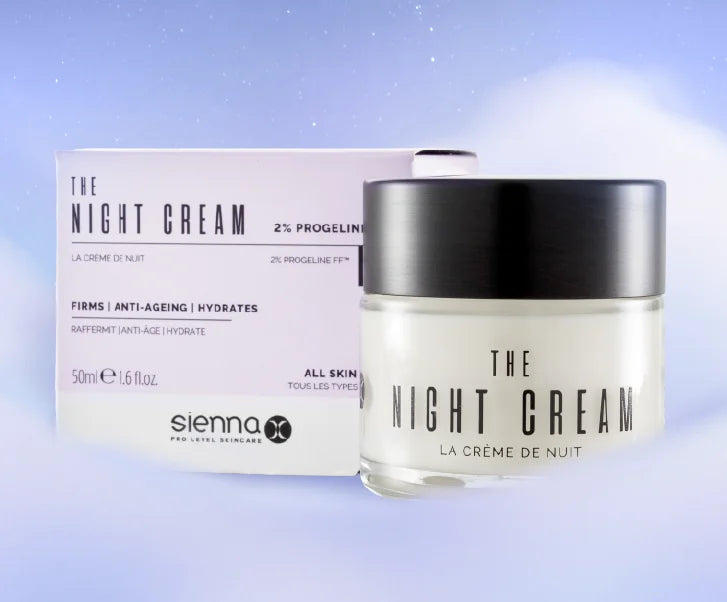
Choosing a product designed specifically for overnight repair, such as The Night Cream, helps ensure that while you rest, your skin is actively working toward a smoother, firmer, more radiant complexion.